EXPERIMENT 1
AUDIO-REACTIVE PHOTOGRAPHS
An audio reactive photograph that has boxes with the object/person’s name popping up when the said objects/person are audible in the soundscape.
Multisensory experiences are central to everyday life: many tasks combine sight, sound, touch, and movement. Multisensory Interfaces harness these combined senses and have been adopted in museums to create new ways of learning and interacting with Cultural Heritage. By encouraging learning through action and sensory engagement, these systems support Embodied Learning and help people understand cultural practices more deeply. The experimentations within this project aims to reignite people's curiousity towards their Culture Heritage through the prototyping of Multisensory Interfaces that augments Embodied Learning.
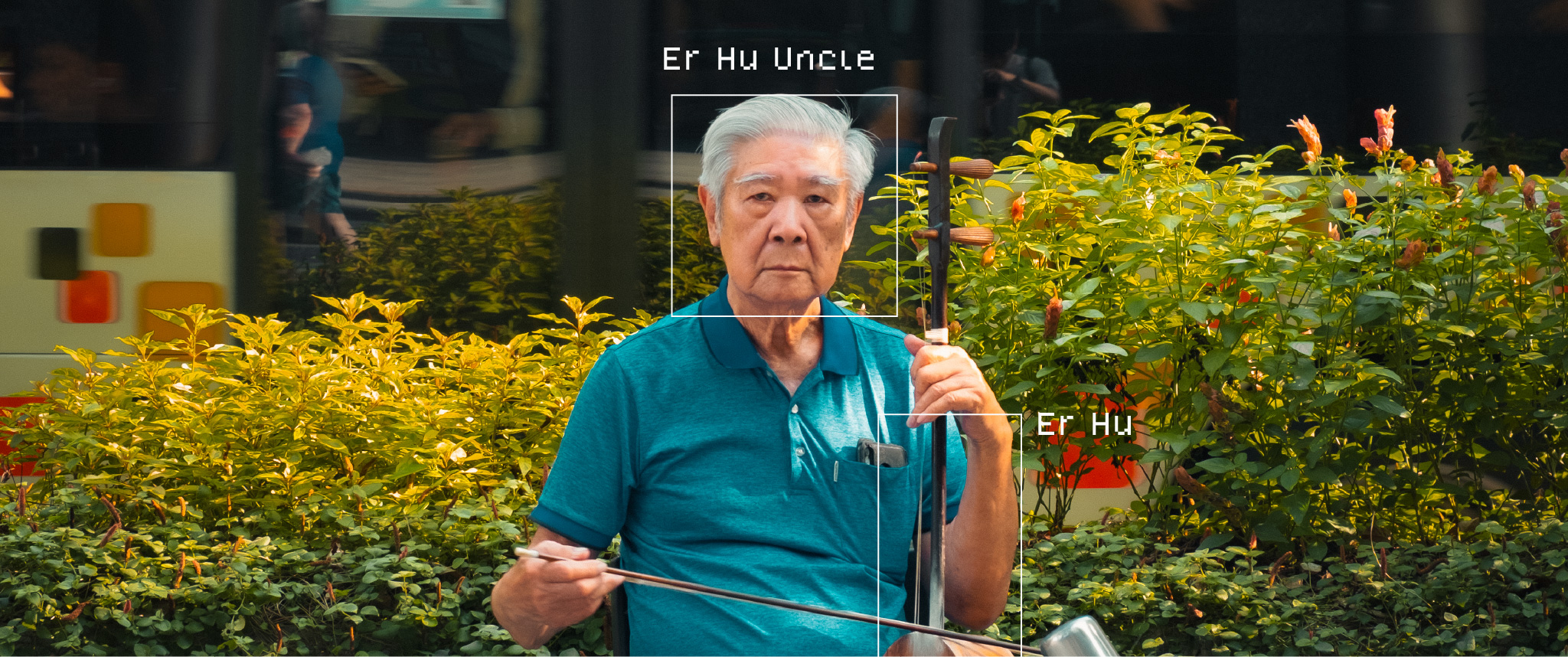
An audio reactive photograph that has boxes with the object/person’s name popping up when the said objects/person are audible in the soundscape.

A touch-visual-audio interface. Participants touches a rattan board triggering a visual change on the image on screen (Image goes from B&W to colored). A audio interview starts playing when the image is fully colored.
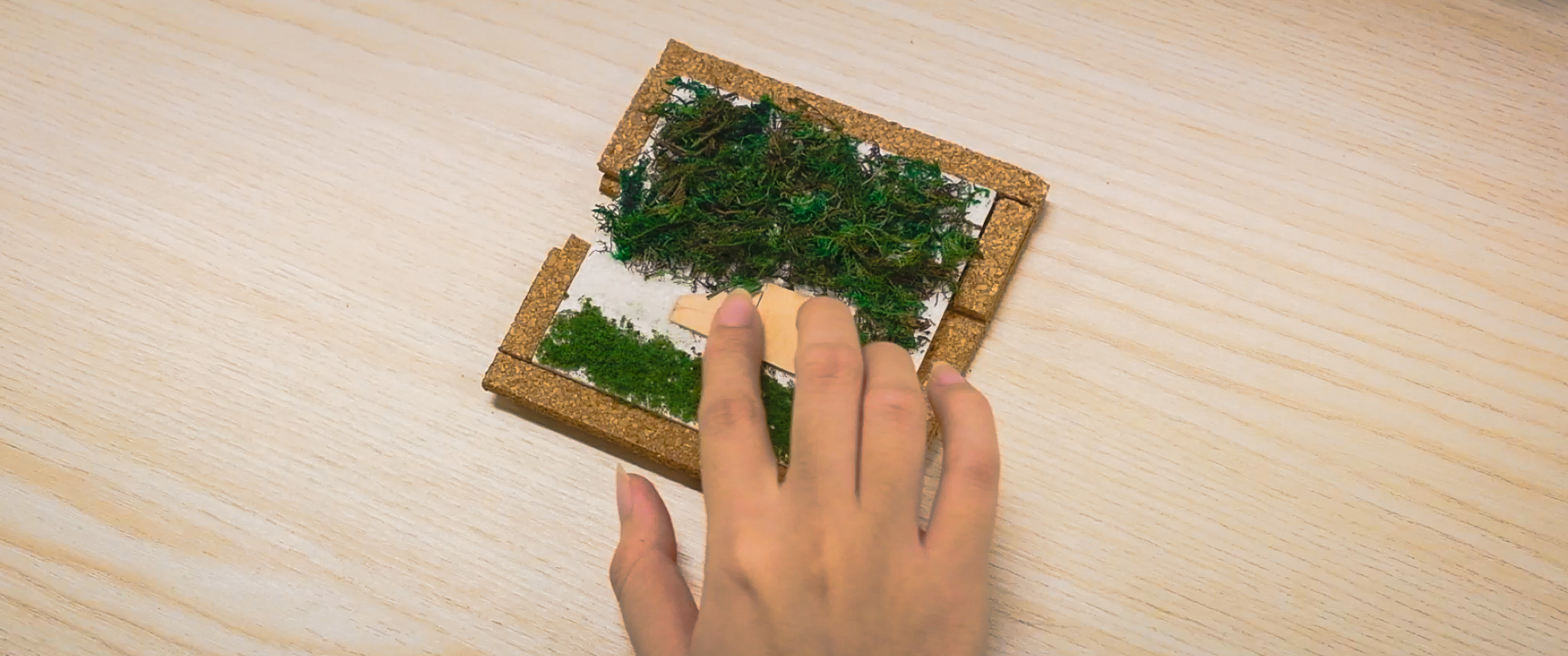
A Touch-Audio interface. A physical square tile, with textures map according to its reference square image, that responds according to where you touch it (I.E touching grass activates grass sounds).
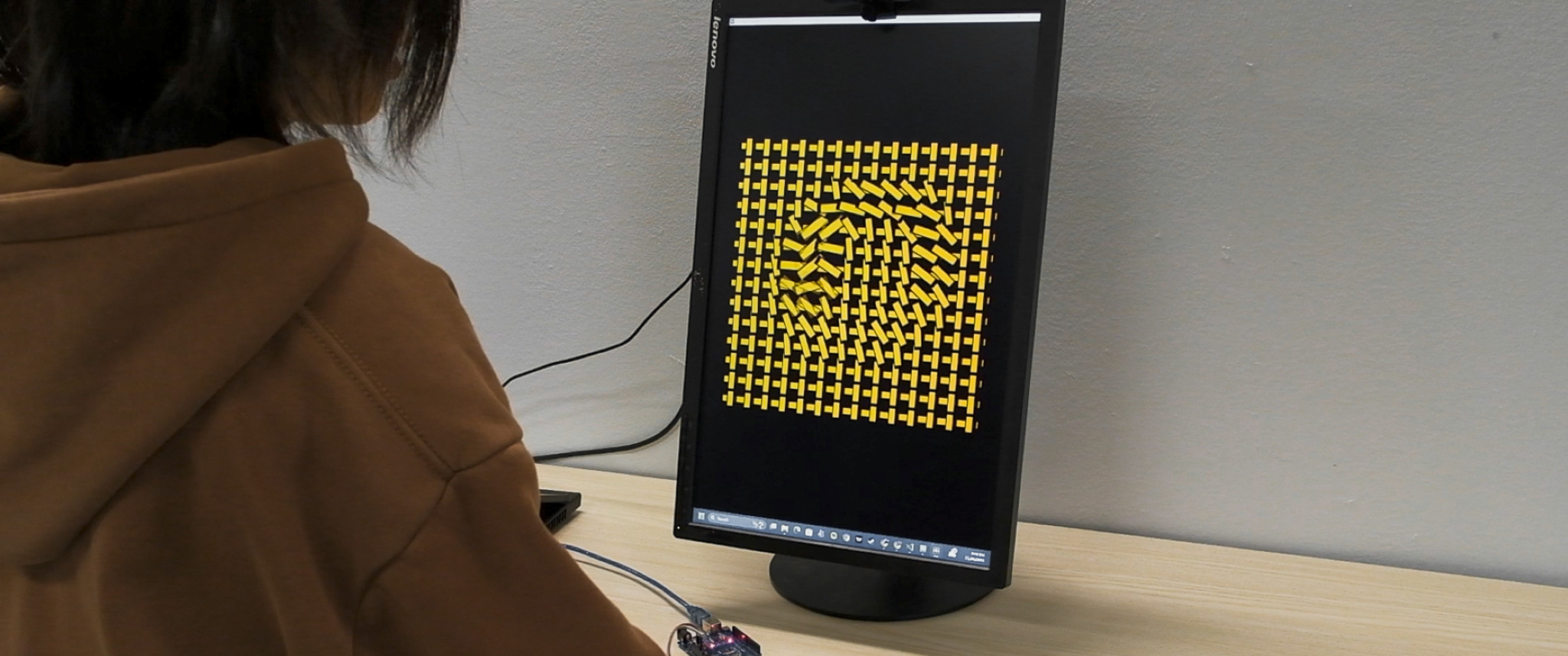
Placing either Rattan or Cork within the texture holder provided triggers their corresponding visual to appear on screen. The visuals on screen visually distorts at the point of interaction on the physical material, with sound effects relating to the material activated with each touch.
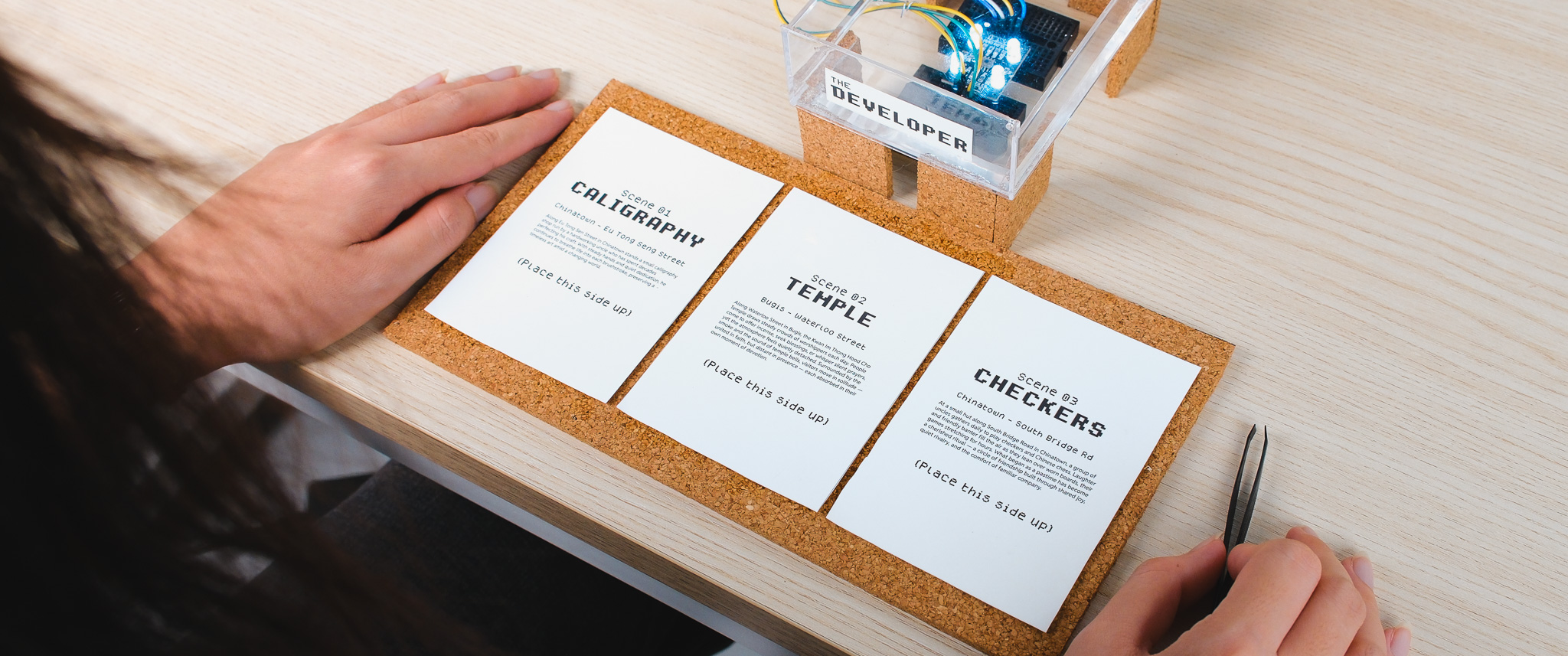
Users choose one of three film papers with text descriptions of the image it contains and place it in the developer tray. A color sensor reads the film and triggers TouchDesigner visuals and audio as the image and its soundscape gradually develop.
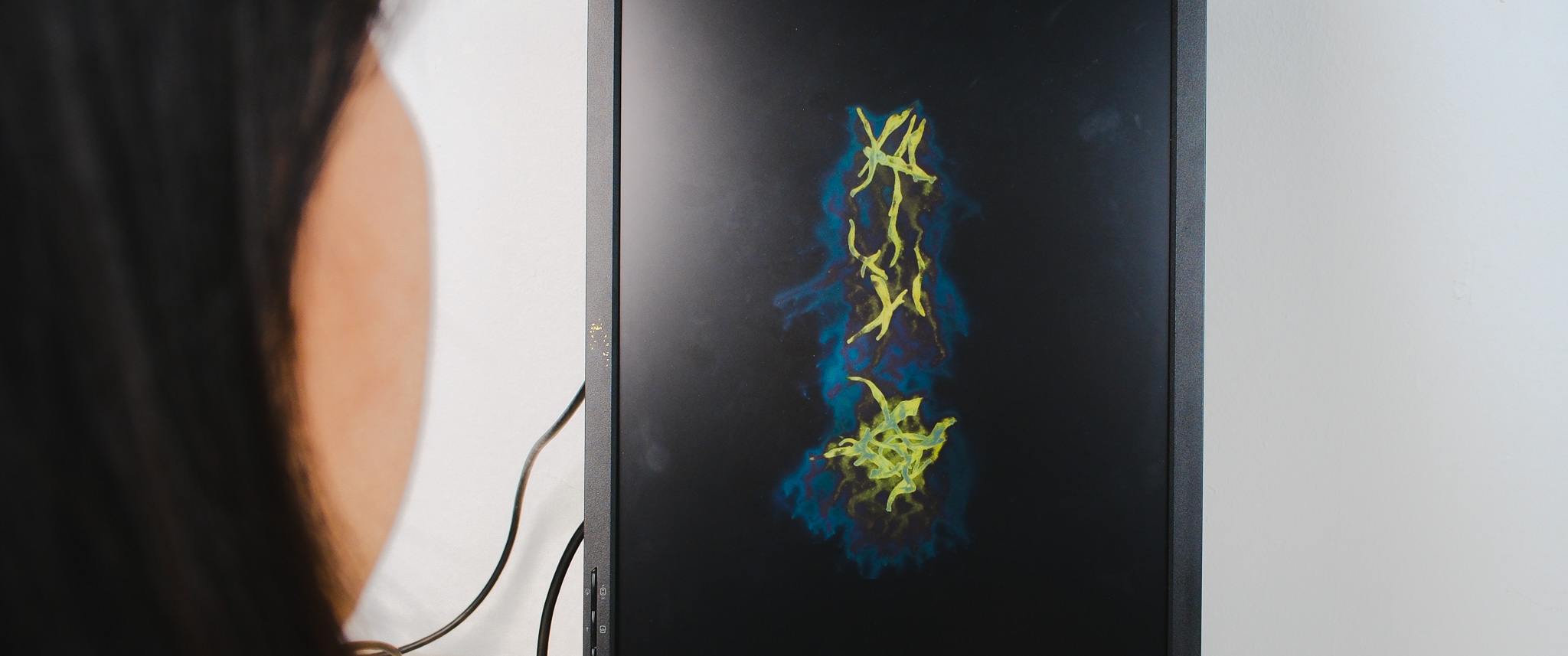
As users pour into the Brewing Cup, they will receive auditory feedback as the adequate water level is reached. On screen, the leaves essence radiate and cascade, symbolising The Infusion. This observation of leaves also aligns with the practice of observing tea leaves unfurling during the brew.